20,000 Mexican Migrants Return to Mexico in the 20th Caravan of December 2025
December 17, 2025 – Laredo, Texas. — As part of the holiday season, around 20,000 Mexican migrants began their return to Mexico today as part of the 20th Caravan of Migrants for Order and Legality, organized by Migrantes Unidos en Caravana A.C., in coordination with authorities and institutions from both countries.
According to official reports, 5,200 vehicles crossed into Mexico this Wednesday, December 17, after departing from Laredo at around 4:00 a.m., marking one of the highest-turnout editions in the history of this caravan.
The operation aimed to guarantee a free, safe, legal, and orderly return for migrant families traveling to reunite with their home communities during the December holidays, under a framework of institutional support and respect for their rights.
The 2025 edition was backed by the Human Rights Ombudsman's Office of Querétaro and received institutional support from the Laredo Convention and Visitors Bureau, headed by Aileen Ramos. The Mexican Consulate General in Laredo also took part, providing guidance and support to migrant families throughout the process.
On the Mexican government's side, the operation was supported by the National Migration Institute (INM), through its General Directorate of Migrant Protection and Liaison, led by Omar Álvarez Arronte, as well as by Mexico's National Customs Agency. At the local level, Carmen Lilia Canturosas, mayor of Nuevo Laredo, Tamaulipas, took part, along with the state's migration office, coordinated by Segismundo Doguin.
Logistical support for the caravan included the collaboration of Quality Imports, represented by Gerardo Cadena Zaldívar.
The founding president of the organizing group, Juan Fernando Rocha Mier, together with Secretary Aristeo Olvera Maqueda and Braulio Monrroy Villeda, publicly recognized the work of the institutions and volunteers who made it possible for the caravan to take place in an organized, safe, and dignified manner.
During this edition, migrant families were welcomed in communities across several states of the country, including Querétaro, Guanajuato, Jalisco, Michoacán, Zacatecas, and San Luis Potosí, through coordination schemes with state and municipal authorities that enabled an orderly transit to their final destinations.
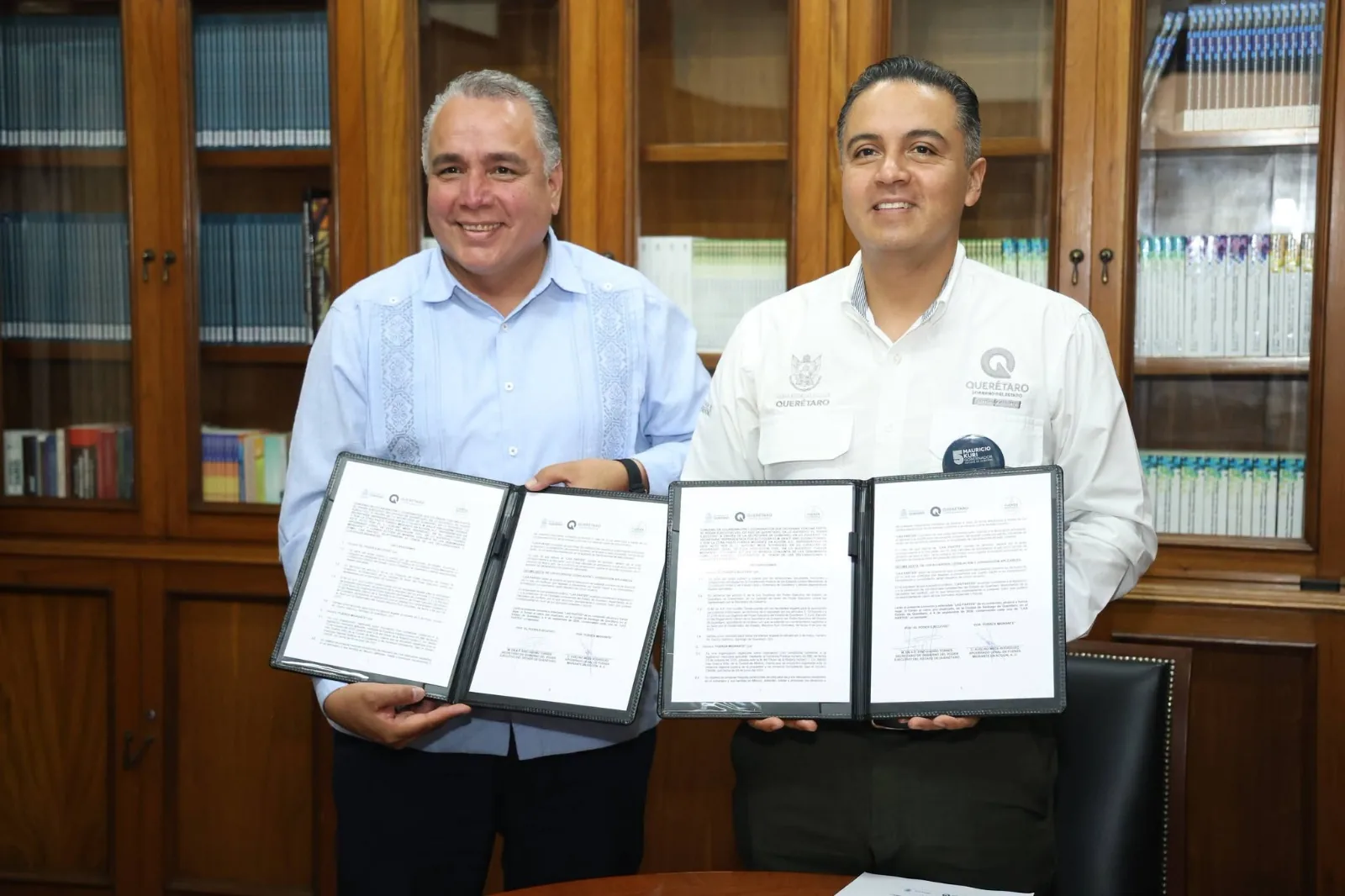
The caravan was backed by Fuerza Migrante, the Héroes Paisano Program, and authorities from all three levels of government. Coordination with the state of Querétaro was particularly strengthened, with the participation of Querétaro's state Secretary of Government, Eric Gudiño, and the mayor of Pinal de Amoles, Lupita Ramírez Plaza, along with security forces, civil protection agencies, health services, and human rights bodies.
Fuerza Migrante reported that, during the registration and transit process, isolated incidents were detected, mainly in cases where some families became separated from the caravan upon entering Mexico and were victims of robberies by unidentified individuals and extortion by municipal police officers. Nevertheless, overall, the vast majority of families continued their journey without incident.
Given its scale, this vehicle caravan is a matter of national significance. Coordination of this binational effort was made possible thanks to the support of the Laredo city government, which covered the main logistical costs, and the coordinated work of Mexican authorities in migration, customs, and security matters. Along the route through national territory, there were permanent patrols by the Mexican Army and the National Guard.
In this edition, all migration and vehicle procedures were completed in advance, allowing the caravan to move forward continuously and in an orderly fashion. As a reference for the scale of this flow, in 2024, 38,802 vehicle permits were issued in Tamaulipas and more than 213,000 people passed through the state, while migration authorities recorded 182,936 service interactions.
These figures confirm that, beyond commercial exchange, it is people — migrant families — who continue to build bridges of closeness, understanding, and cooperation between Mexico and the United States.